
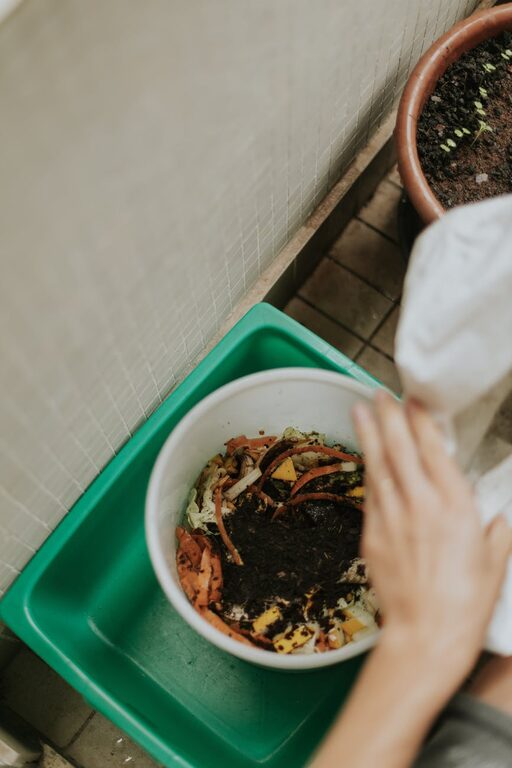
Composting at home is a fantastic way to reduce kitchen and garden waste while creating nutrient-rich soil for your plants. If you’re new to composting, starting can feel a bit overwhelming, but it doesn’t have to be complicated. This guide provides clear, beginner-friendly tips to help you set up and maintain your own compost system successfully.
What Is Composting?
Composting is the natural process of recycling organic materials like vegetable scraps and yard waste into a rich soil conditioner known as compost. This process helps reduce the amount of waste sent to landfills and improves the health of your garden soil by adding essential nutrients.
Benefits of Composting at Home
– Reduces household waste going to landfills
– Produces nutrient-rich fertilizer for plants
– Helps retain moisture in soil, reducing watering needs
– Encourages beneficial soil organisms
– Saves money on store-bought fertilizers
Getting Started: What You’ll Need
Choose a Compost Bin or Pile
You can start composting by either creating a compost pile in your yard or purchasing a compost bin. Bins help contain materials, manage moisture, and keep pests away. Here are some types you might consider:
– Tumbler bins: Easy to turn and mix compost.
– Stationary bins: Simple, enclosed boxes or barrels.
– Open piles: No cost, but can be messier and less controlled.
Select a Location
Pick a spot in your yard that is well-drained, partly shaded, and convenient to access. This will help maintain moisture levels and make adding scraps easier.
What to Compost: Greens and Browns
Successful composting requires a balance of “greens” and “browns.”
Greens (Nitrogen-rich materials)
These are moist, soft materials that add nitrogen to the compost. Examples include:
– Fruit and vegetable scraps
– Coffee grounds and tea bags
– Fresh grass clippings
– Plant trimmings
Browns (Carbon-rich materials)
These are dry, coarse materials that add carbon. Examples include:
– Dry leaves
– Straw or hay
– Shredded cardboard or paper
– Small branches or twigs
Tips for Balance
Aim for a roughly 2:1 ratio of browns to greens by volume. Too many greens can make the compost smelly, while too many browns slow down the decomposition.
What Not to Compost
Avoid adding these items as they can cause odors, attract pests, or introduce disease:
– Meat, fish, or bones
– Dairy products like cheese and milk
– Oils and greasy foods
– Diseased plants or invasive weeds
– Pet waste
How to Maintain Your Compost
Layering
Start your pile with a layer of browns around 6 inches thick to promote aeration. Alternate layers of greens and browns as you add materials.
Aeration
Turn or mix your compost every 1-2 weeks with a garden fork or compost aerator. This introduces oxygen, which speeds up decomposition.
Moisture
Keep your compost moist but not soggy – like a wrung-out sponge. Water if it’s too dry, or add more browns if it’s too wet.
Patience
Depending on conditions, compost can take anywhere from a few weeks to several months to be ready. Finished compost looks dark, crumbly, and earthy.
Using Your Finished Compost
Once your compost is ready, use it to:
– Mix into garden beds for improved soil structure
– Mulch around plants to retain moisture
– Enrich potting mixes for container gardening
– Feed lawn areas by spreading thinly over grass
Troubleshooting Common Compost Issues
| Problem | Cause | Solution |
|————————|——————————–|———————————–|
| Bad odor | Too many greens or wetness | Add more browns, turn pile |
| Slow decomposition | Not enough air or moisture | Turn pile, water if dry |
| Pests or rodents | Meat or dairy in pile | Remove offending items, secure bin |
| Compost pile too dry | Lack of water | Water gently when turning |
Additional Tips for Success
– Chop or shred large scraps to speed up decay.
– Use a compost thermometer if you want to monitor the internal temperature.
– Save eggshells (crushed) for extra calcium.
– Avoid adding chemically treated wood or plants.
Conclusion
Starting your composting journey at home is a rewarding step toward sustainability and healthier plants. With just a little effort, any beginner can transform kitchen scraps and yard waste into black gold for the garden. Remember, composting is a learning process, so don’t be afraid to experiment and enjoy watching nature do its work!
Happy composting!
