
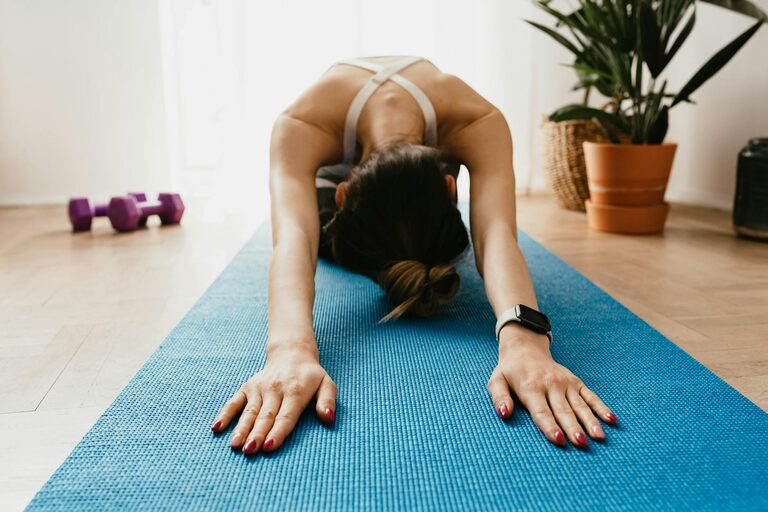
Stretching is a valuable activity that can improve your flexibility, reduce muscle tension, and increase blood flow. The best part? You don’t need a gym or special equipment to start stretching. With just a small space at home and a few minutes a day, you can benefit from a simple stretching routine. This beginner’s guide will help you understand the basics of stretching and introduce easy exercises you can do right away.
Why Stretch at Home?
Stretching regularly helps maintain and improve your body’s range of motion. It can relieve stiffness caused by sitting for long periods, prepare your muscles for physical activities, and promote relaxation. Stretching at home is convenient and can easily fit into your daily routine, whether in the morning, during breaks, or before bedtime.
Key Benefits of Stretching
– Improves flexibility: Regular stretching lengthens your muscles and tendons.
– Enhances posture: Stretching muscles that get tight due to daily habits supports better alignment.
– Reduces risk of injury: Warm and flexible muscles are less prone to strains.
– Relieves muscle tension: It helps ease stress and muscle tightness.
– Promotes circulation: Stretching helps increase blood flow to your muscles.
Stretching Basics: Tips for Beginners
Before you jump into any stretches, keep these simple tips in mind:
– Warm up first: Stretching cold muscles can cause injury. Warm up with gentle movements like walking or marching in place for 3-5 minutes.
– Don’t bounce: Use smooth, steady movements during each stretch. Bouncing can lead to muscle strain.
– Hold each stretch: Typically, hold stretches for 15-30 seconds. Remember to breathe deeply and avoid holding your breath.
– Stretch both sides: Always stretch both sides of your body to maintain balance.
– Stop if it hurts: Discomfort is normal, but sharp pain means you should ease up or stop.
Essential Stretches for Full-Body Flexibility
Here are some simple stretches you can try, targeting major muscle groups. All can be done without equipment.
Neck Stretch
– Sit or stand tall.
– Slowly tilt your head sideways, bringing your right ear toward your right shoulder.
– Hold for 20 seconds, feeling a gentle stretch along the left side of your neck.
– Repeat on the other side.
Shoulder Stretch
– Bring your right arm across your chest.
– Use your left hand to gently pull your right arm closer to your chest.
– Hold for 20-30 seconds.
– Switch arms.
Chest Stretch
– Stand near a wall or doorway.
– Place your palm and inner arm against the surface at shoulder height.
– Gently turn your body away from the wall until you feel a stretch in your chest.
– Hold for 20-30 seconds.
– Repeat on the other side.
Triceps Stretch
– Reach your right arm overhead.
– Bend your elbow so your hand touches your upper back.
– Use your left hand to gently push your right elbow downward.
– Hold for 20 seconds.
– Switch arms.
Cat-Cow Stretch (for back)
– Get on your hands and knees in a tabletop position.
– Inhale deeply, arch your back and look upwards (Cow pose).
– Exhale, round your spine toward the ceiling and tuck your chin (Cat pose).
– Repeat slowly 5-8 times.
Hamstring Stretch
– Sit on the floor with your right leg straight.
– Bend your left knee, placing your foot near your right inner thigh.
– Slowly reach for your right toes, keeping your back straight.
– Hold the stretch for 20-30 seconds.
– Switch legs.
Quadriceps Stretch
– Stand with feet hip-width apart.
– Hold onto a chair or wall for support.
– Bend your right knee, bringing your heel toward your buttocks.
– Grab your ankle with your right hand and gently pull.
– Feel the stretch in the front of your thigh.
– Hold for 20-30 seconds.
– Switch legs.
Calf Stretch
– Stand facing a wall.
– Place your hands on the wall shoulder height.
– Step your right leg back, keeping the heel on the ground and the leg straight.
– Bend your left knee slightly and lean forward.
– Hold the stretch in your right calf for 20-30 seconds.
– Switch legs.
Creating Your Stretching Routine
To get the most from stretching, try to create a simple daily routine:
- Start with a brief warm-up (3-5 minutes).
- Select 5-6 stretches targeting different muscles.
- Hold each stretch steadily for 15-30 seconds.
- Repeat 2-3 times if you have extra time.
- End with deep breathing to relax.
Don’t worry about performing every stretch perfectly at first. Consistency matters more than intensity. Over time, you’ll notice improved flexibility and less muscle tension.
When to Stretch
Stretching can fit into many parts of your day. Here are some ideal times:
– Morning: To wake up your muscles and improve circulation.
– Before or after exercise: To prepare muscles and aid recovery.
– During work breaks: Especially if you sit at a desk for long hours.
– Before bed: To relax muscles and calm your mind.
Common Stretching Mistakes to Avoid
– Skipping warm-ups.
– Stretching only one side.
– Holding your breath.
– Overstretching to the point of pain.
– Bouncing during static stretches.
Stretching should feel good, not painful or exhausting.
Final Thoughts
Stretching is a simple, accessible way to care for your body at home. By incorporating basic stretches into your daily routine, you’ll enjoy improved flexibility, reduced muscle tension, and better posture. Start slow, listen to your body, and make stretching a regular part of your wellness journey.
Remember, you don’t need special gear or a lot of time. Just a few minutes and a little space at home are all you need to get started. Happy stretching!
